One question stalls almost every founder in a strategy session. "What makes your business different?"
It sounds simple. Founders have spent years building these businesses. They've made thousands of decisions, solved problems most people never see, and lived through the version of the business that came before this one.
Yet the same handful of answers keep showing up.
"We offer great customer service."
"We're passionate about what we do."
"We really care about our clients."
"We've been doing this for years."
None of those answers are wrong. Most of the time, they're true. The problem is they could describe thousands of other businesses. They tell me what a founder believes about the business, not what makes it memorable.
And that's not because founders don't know what makes them different. It's because they're answering a different question than the one being asked.
The Curse Of Knowing Your Own Business Too Well
There's a name for this. Psychologists call it the Curse of Knowledge, the tendency for experts to lose the ability to see their own work from a beginner's perspective. Chip and Dan Heath wrote about it in Made to Stick: the more familiar something becomes, the harder it is to remember what it was like not to know it.
Founders live this every day. The decision that now feels routine is often the exact thing a customer values most. A process refined over ten years just feels like "how we've always done it." A carefully designed customer experience stops feeling designed at all. It just feels like Tuesday.
The longer you've been inside a business, the harder it becomes to see it from outside. What feels obvious to you is often exactly what sets you apart.
That's the paradox of building a business, which is why an outside perspective can find it in minutes.
Founders Describe Themselves. Customers Describe The Change.
One pattern has become hard to ignore.
When I ask founders what makes their business different, they talk about what they've built, the experience, the methodology, the years in the industry, the care behind every project. Those things matter. They're usually the reason the work is good in the first place.
Their customers tell a different story.
They rarely mention the methodology or the years behind the scenes. They remember the confidence they gained, the problem that finally got solved, the direction they found, the shift that happened after.
Founders describe how they deliver value. Customers remember the value they received. Most positioning problems live in that gap.
What Brand Archetypes Actually Reveal
One tool from every strategy session is Brand Archetypes. Before walking through the framework, I ask founders to guess which archetype describes their brand. It's a small exercise, and it often reveals something. Founders tend to choose based on personality or expertise. Customers remember something else entirely. That pattern repeated enough times that I built the Brand Archetype Test to give founders language for the role their brand is already playing.
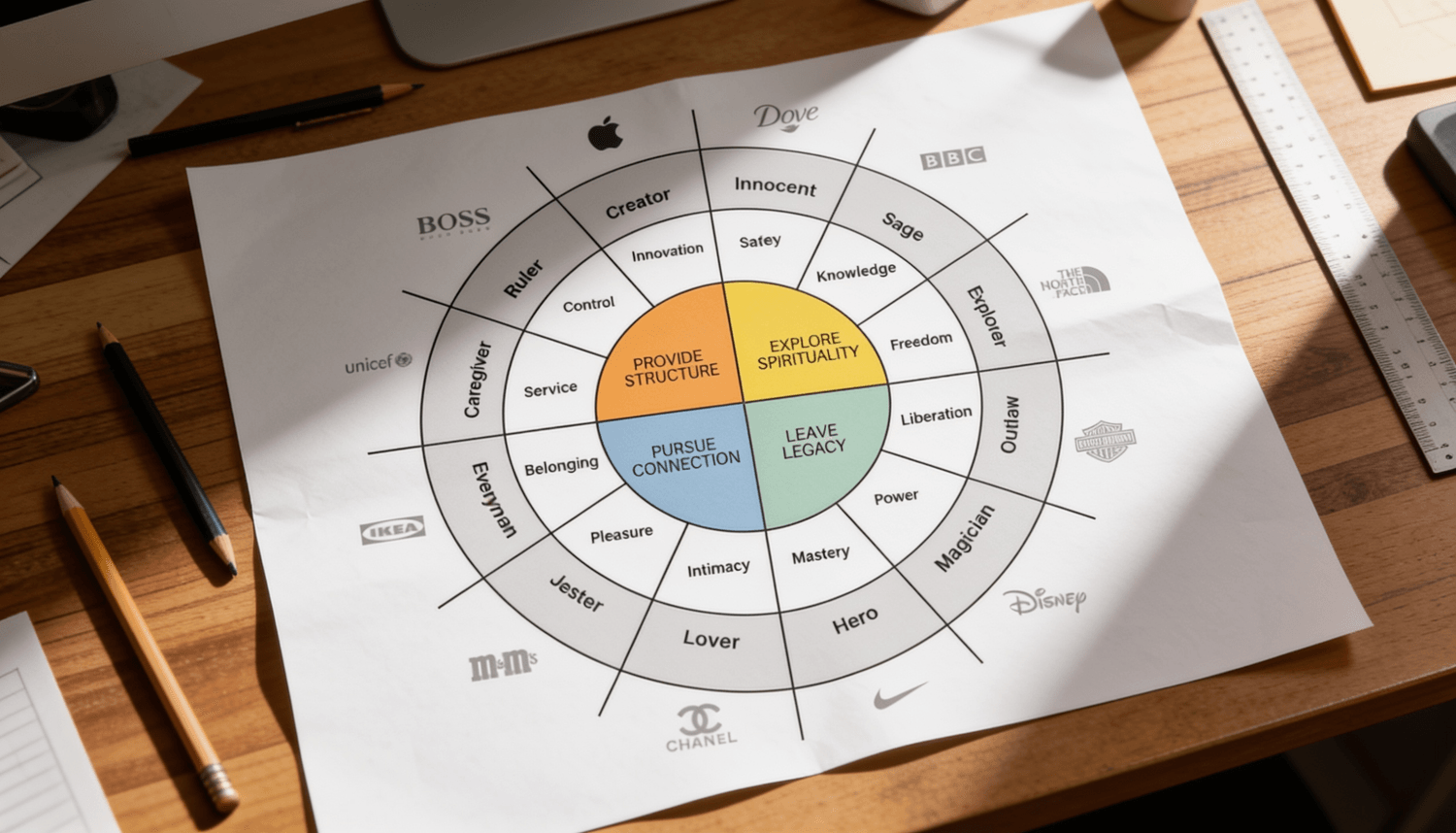
One session in particular has stayed with me.
Before taking the assessment, a client was almost certain she was the Sage. She loved sharing her thinking. Maybe the Creator, since she loved building frameworks. It made sense. She was thoughtful, knowledgeable, and sharp.
Then she took the test. The result was the Magician.
"That's exactly what my business does. I help people realise what they're good at and change their lives."
She wasn't describing herself anymore. She was describing the change her clients experience.
That conversation changed how I use brand archetypes. It's not a framework for assigning personality to a business. It's a way of naming a pattern that's already there, one built through years of decisions, customer conversations, and lived experience. The framework doesn't invent a brand. It gives a founder the words for one they've already built.
Why This Matters More With AI Everywhere
AI has only reinforced this for me.
Anyone can generate a website, write a proposal, or produce weeks of content with a handful of prompts. The technology is genuinely useful, but it exposes something important: AI can't define what makes a business different. It can only express what a founder has already taken the time to understand.
That's why brand foundations matter more, not less, right now. The better a founder understands their own business, the more useful every tool built on top of it becomes.
AI has helped me organise my own thinking, too. It surfaces patterns, challenges assumptions, and connects ideas faster than I could alone. But the real test still happens in conversations with founders, in strategy sessions, in years of watching what actually lands.
AI can sharpen a theory. Experience tells you whether it's true.
A Better Question
These days, I ask a different question.
"What change do people experience after working with you?"
That question almost always shifts the conversation. Founders stop describing themselves and start describing impact, confidence, momentum, relief, direction, and possibility.
That's usually where the real positioning starts.
The Real Work
Brand strategy was never about inventing an identity. It's about finding one that's already there.
The strongest strategy sessions don't create a brand from nothing. They surface the pattern that's been sitting underneath years of instinct, decisions, and everyday work.
If you've struggled to explain what makes your business different, there's a good chance the answer already exists. You may just be answering the wrong question.
Sometimes the answer isn't found by looking inward.
It's found by paying closer attention to the difference your business makes in the lives of the people you already serve.
Frequently Asked Questions
Why do founders find it hard to explain what makes their business different?
Founders are too close to their own decisions to see which ones actually matter. What feels routine to them, whether it's a process, a way of communicating, or a level of care, is often exactly what a customer notices most. This is a documented bias called the Curse of Knowledge, not a lack of self-awareness.
What is the Curse of Knowledge in branding?
It's a cognitive bias where deep familiarity with something makes it harder to see from a beginner's perspective. In branding, it means founders struggle to identify their own differentiation because the things that make them different have become invisible through repetition.
Why do founders underestimate what their customers actually value?
Founders tend to describe the effort behind the work, their methodology, experience, and process. Customers remember the outcome of that work, the confidence, direction, or relief they experienced. Founders are describing the input. Customers are describing the result.
What do founders already know but haven't put into words yet?
Most founders have already built a distinct pattern of decisions, communication, and delivery. They just haven't had a reason to name it. Tools like brand archetypes don't invent that pattern. They give founders language for what's already there.
What questions should a brand strategy session actually answer?
A strategy session should answer what change the business creates for its customers, not just what the business does. The stronger question isn't "what makes you different," it's "what do people experience after working with you."
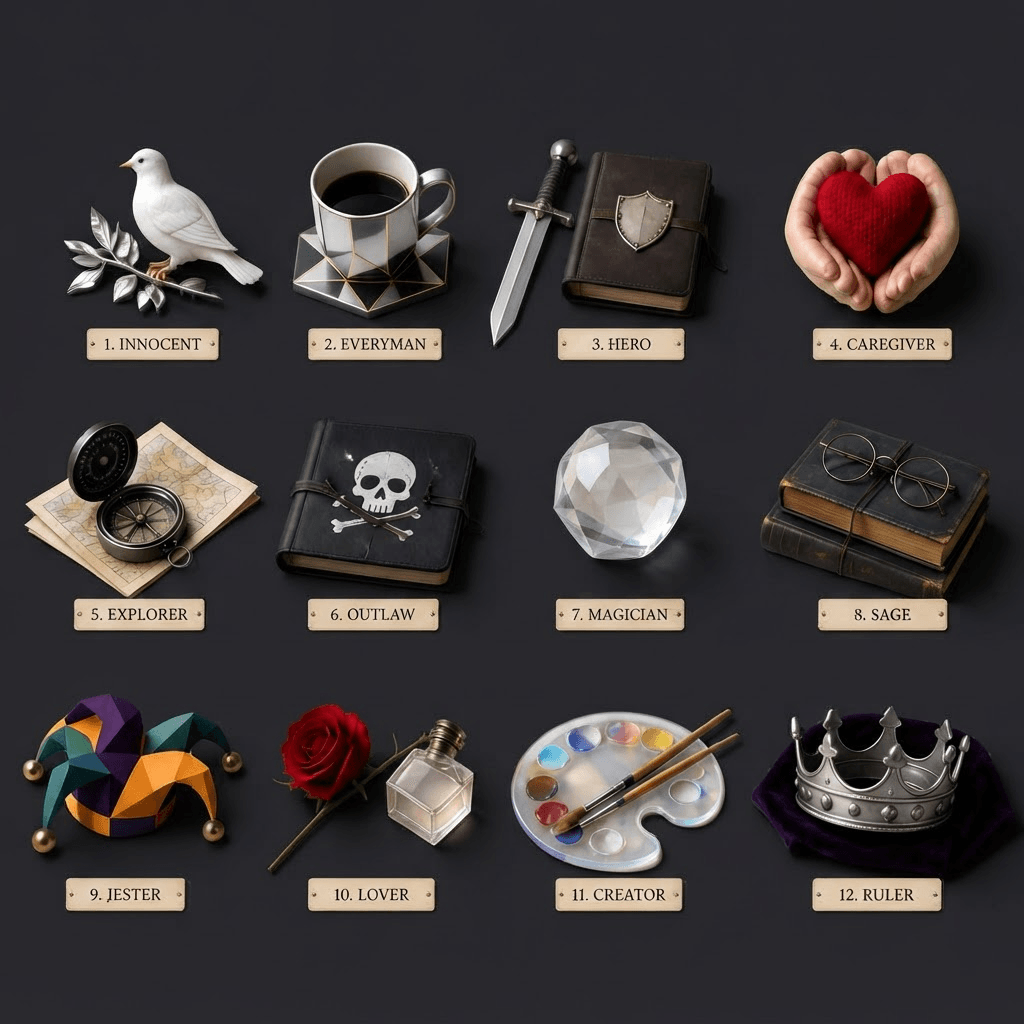
Curious what role your brand is already playing?
The free Brand Archetype Test names the role your brand is already playing in a few minutes, no strategy session required.
Brand Archetype Test →